Land and Construction Planning
Buy the Lot Now, Build Later: How to Back into Equity with AZ Construction Loan
By Matthew Siket
Your lot can be the first step toward a custom home & the end of the financing, but is that always the answer?
You find the right lot, but your plans aren’t finished and you aren’t ready to build. Do you have to wait until everything is ready before buying the land?
That depends! Buying the lot first can give you time to choose a builder, develop plans, and put together a complete project. There is another reason to delay the construction loan: the construction appraisal can consider the value of the finished home, not just the price you paid for the land.
This sounds complicated but come down to one detail, are you in title to the property? When the home’s appraised value is higher than the combined cost of the lot and construction, that difference may create potential equity and help reduce the out of pocket. With our eligible AZ construction-loan program, you don’t have to own the lot for a set number of months before leveraging the finished product. Once you hold title, the deal becomes Loan-to-Value, not Loan-to-Cost.
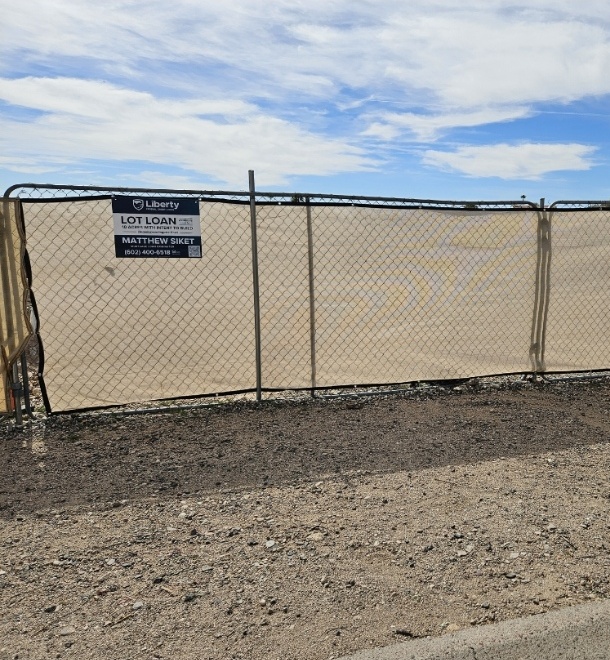
The “buy now, build later” strategy
Buying the lot first separates the land decision from the construction decision. You can secure a property you like, then take time to work through the plans, specifications, builder, budget, and site details. The best part, there is no minimum waiting period. You can close your construction loan as soon as you have the appraisal on the finished product.
When the project is ready for appraisal, the appraiser reviews the lot and the home you plan to build. The plans, specifications, construction budget, and comparable completed homes help the appraiser estimate the property’s as-completed value.
That means the appraisal can reflect the improvements you intend to make. The value of the finished home may be quite different from the sum of the parts, the segmented lot cost and construction cost.
How can the finished home create potential instant equity?
Consider a simplified example:
- Lot purchase price: $200,000
- Planned construction cost: $600,000
- Combined lot and construction cost: $800,000
- Supported as-completed appraisal: $1,000,000
In this illustration, the completed property is appraised $200,000 above the combined project cost. That difference may strengthen the project’s equity position and help support the construction-loan structure. That’s a snazzy way to eliminate the mortgage insurance factor before draw number uno.
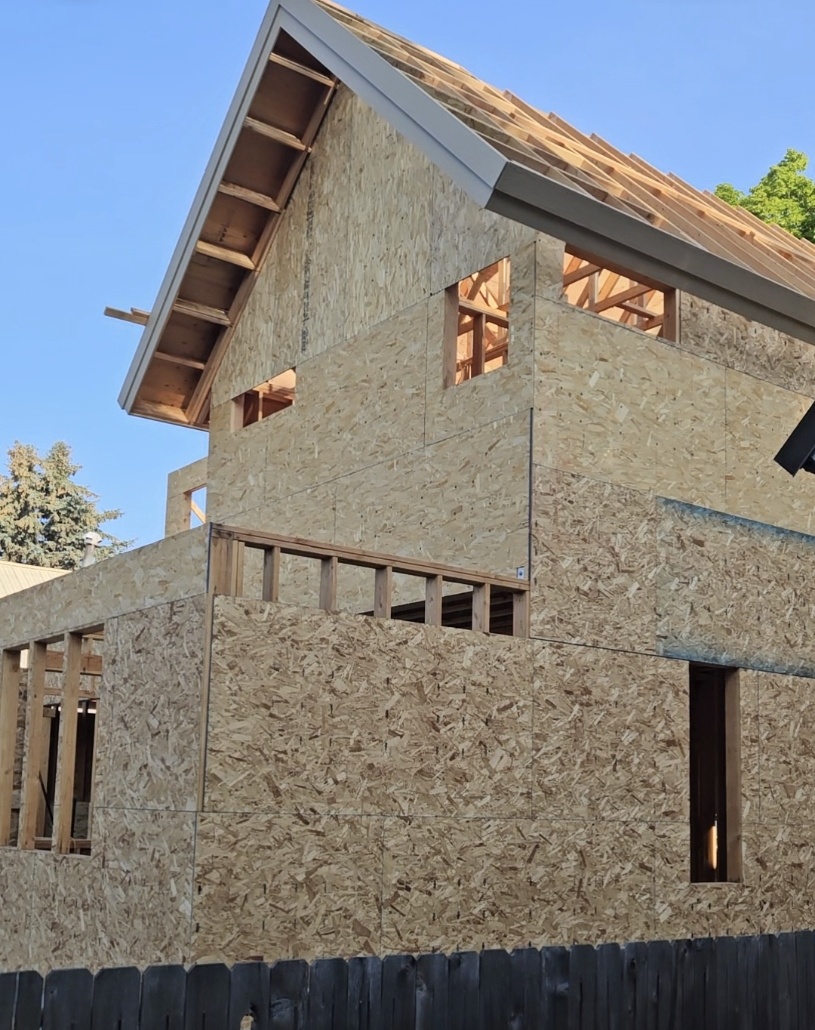
The construction appraisal considers the proposed home, using plans and specifications to estimate the completed value.
However, that is one way to look at it, and the exact benefit depends on the loan program’s leverage limits, borrower contribution requirements, reserve capital, debt service ratios, project costs, and underwriting. The appraisal does not guarantee that the lender will finance every cost or that is in the budget. It provides an independent opinion of the completed property’s value for the lender to consider.
For more on the appraisal process, see our guide to construction appraisals in Arizona. The Consumer Financial Protection Bureau’s appraisal overview also explains how appraisals estimate a property’s value.
Do I have to wait before starting the loan review?
For our eligible program, there is no lot-seasoning period. Once the lot is in your name, we can begin reviewing the proposed project. You don’t have to wait six months or a year just because you recently purchased it.
Moreover, the project still needs to meet the program’s requirements. The borrower, title, builder, plans, specifications, budget, and appraisal all need to be reviewed. But the amount of time you have held title is not a required waiting period under this program.
The most difficult part of shopping construction loans is that every lender has their own interpretation of Loan-to-Value, or Loan-to-Cost. For example, Fannie Mae’s single-closing construction-to-permanent guidance describes how lot ownership affects its construction-loan transaction classification. Ask each lender how its own program treats recently purchased land.
Why buy the lot before you’re ready to build?
Buying the lot first can help you:
- Secure a property before it’s no longer available.
- Confirm access, utilities, zoning, and site conditions before finalizing your design.
- Choose a builder and develop plans that fit the parcel.
- Build a detailed budget and prepare a complete appraisal package.
- Begin discussing construction financing once you hold title, without a seasoning wait.
The common denominator is that it leverages the greatest asset of them all, time. If you plan to finance the lot, the existing loan and payoff will need to be considered in the later construction-loan review. Here is more about Arizona lot-loan options and how they may fit into a future build.
What should I have ready?
You can start the conversation before every detail is final. Helpful information includes the lot’s location, your expected build timeline, any existing lot financing, and whether you have started working with a builder or designer.
As the project takes shape, plans, specifications, a detailed construction budget, and builder information help move the appraisal and loan review forward. See how Arizona construction loans work for an overview of the process.
Secure the lot. Plan the home. Review the finished value.
Buying the lot now may give you time to prepare for construction while positioning the lender to evaluate the value of the completed home and land together. If the appraisal supports a value above the project cost, that may create potential equity from the start.
Appraised value, potential equity, loan structure, required borrower funds, and loan approval depend on the property, plans and specifications, borrower qualifications, program requirements, and full underwriting. No approval or commitment to lend is implied.